
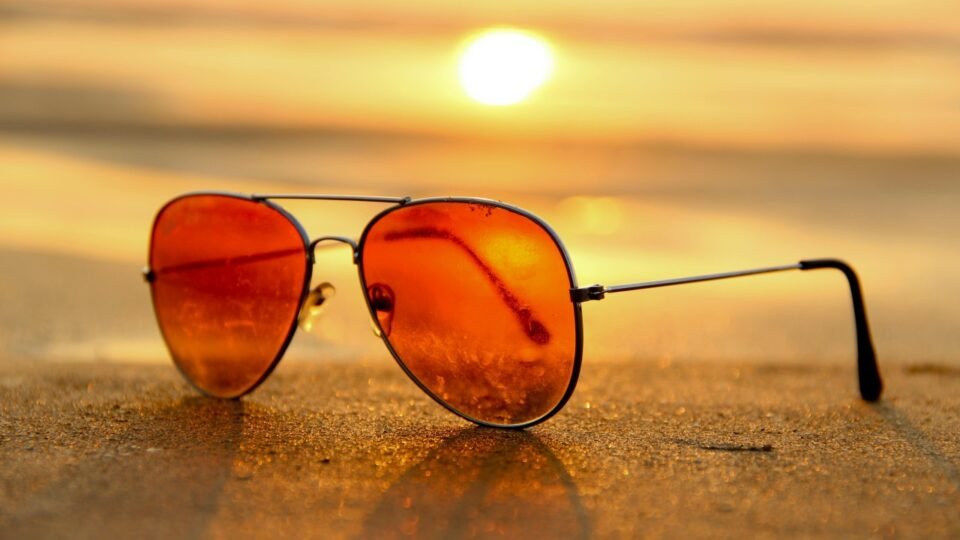
What exactly are TAC lenses?
Triacetate Cellulose (TAC) lenses are typically manufactured as a laminated, multi-layer film that includes a polarized filter. The finished TAC lens assembly is prized for being thin, lightweight, and optically clear — qualities that make it comfortable for prolonged wear (ideal for travel) while the polarization reduces strong reflections from horizontal surfaces like water, sand, or roads. :contentReference[oaicite:0]{index=0}
Top practical benefits for travellers & outdoor style
- Glare reduction & contrast: Polarized TAC lenses cut reflected glare (water, windshields, pavement), improving visual comfort and detail — helpful when driving, boating, or sightseeing. :contentReference[oaicite:1]{index=1}
- Lightweight & comfortable: TAC constructions are thin and light, reducing frame slip and pressure — a real advantage for daylong travel. :contentReference[oaicite:2]{index=2}
- Optical clarity: High-quality TAC lenses offer good clarity and color definition compared with some cheaper alternatives. :contentReference[oaicite:3]{index=3}
- UV protection (when specified): Properly treated TAC lenses provide UV400 protection to block UVA and UVB; this is essential for long-term ocular health. Confirm UV400 labeling on product pages and lab testing. :contentReference[oaicite:4]{index=4}
- Style & thin profile: TAC lenses can be finished with fashionable tints and coatings that keep sunglasses sleek — meeting the style needs of travellers who want both form and function. :contentReference[oaicite:5]{index=5}
How TAC compares with other common lens materials
Every lens material has trade-offs. Below is a concise comparison to help you choose:
| Material | Key advantages | Common trade-offs |
|---|---|---|
| TAC (polarized) | Lightweight, thin, good polarization & glare control, cost-effective | Less impact-resistant than polycarbonate; coating durability varies with quality |
| Polycarbonate | High impact resistance, inherent UV-blocking | Lower optical quality (abbe value), can scratch unless coated |
| CR-39 | Excellent optics and scratch resistance | Less impact resistant, thicker than TAC/polycarbonate |
Source comparisons and buyer guides highlight TAC’s affordability and polarized performance while noting that toughness and scratch performance can favor other materials when safety or prescription needs dominate. :contentReference[oaicite:6]{index=6}
Why UV protection matters — health evidence
Ultraviolet radiation (UV) contributes to multiple ocular conditions including photokeratitis, pterygium, cataract formation, and may play a role in macular degeneration. Sunglasses that provide verified UV400 protection help reduce the cumulative UV dose to the eyes and are recommended for outdoor exposure. For daytime travel and prolonged sun exposure, choosing eyewear with confirmed UV protection is essential. :contentReference[oaicite:7]{index=7}
Note: darkness of a tint alone does not guarantee UV protection — always confirm UV400 labeling or manufacturer test results. Cheaply tinted lenses without proper UV filtering can dilate the pupil and increase UV risk. :contentReference[oaicite:8]{index=8}
Practical buying tips (travel & style checklist)
- Confirm Polarized + UV400 on the product specification.
- Check for multi-layer or bonded TAC construction if glare reduction is a priority.
- Ask about coating durability and warranty; some TAC assemblies use multiple protective layers for scratch and abrasion resistance. :contentReference[oaicite:9]{index=9}
- Choose frame styles with adequate coverage to reduce peripheral sunlight exposure.
- If impact resistance or prescriptions matter (sports or safety), consider polycarbonate or Trivex alternatives. :contentReference[oaicite:10]{index=10}
ANRA Eyewear — TAC polarized options (affordable)
For travelers who want style, comfort, and glare control without a premium price tag, ANRA Eyewear offers TAC-polarized sunglasses that combine lightweight fit and polarized glare reduction. Visit ANRA’s product pages to confirm UV400 certification, color/tint options, and available warranties. ANRA positions these eyewear options as budget-friendly and travel-ready.
FAQ
- Are TAC lenses safe for driving?
- Yes — polarized TAC lenses reduce reflected glare from road surfaces and car hoods, improving contrast and comfort while driving. However, take care around some LCD screens which may appear darker when viewed through polarization.
- Do TAC lenses scratch easily?
- Scratch resistance depends on surface coatings. Many TAC sunglasses include hard-coat layers, but glass and CR-39 can be more inherently scratch-resistant. Check warranty and coating details. :contentReference[oaicite:11]{index=11}
- Is polarization always better?
- Polarization greatly reduces glare and improves visual comfort outdoors, but for some pilots or instruments users, polarization can interfere with visibility of instrument displays. For general travel and outdoor use, polarization is usually advantageous. :contentReference[oaicite:12]{index=12}
Downloadable bibliography & further reading (open sources / PDFs)
Below are public/accessible sources and guides (where available as PDFs) that were cited above. Follow the links to download the full documents.
- CentroStyle: LENSES — TAC polarized lens technical sheet (PDF). :contentReference[oaicite:13]{index=13}
- MacFarlane ER. — Ultraviolet light and the ocular lens: a review of exposure models (Frontiers / PMC, 2024). [Open access PDF] :contentReference[oaicite:14]{index=14}
- Dolin PJ. — Ultraviolet radiation and cataract: a review (BMJ/PMC, 1994). [Open access PDF] :contentReference[oaicite:15]{index=15}
- The Impact of Ultraviolet Radiation on the Eyes — ResearchGate (2024) [PDF available]. :contentReference[oaicite:16]{index=16}
- Yam JC, Kwok AKH — Ultraviolet light and ocular diseases (EU Scientific report, PDF). :contentReference[oaicite:17]{index=17}
Note: some commercial pages and buyer guides used for material comparisons are linked in the editorial text for practical buyer guidance (non-peer-reviewed). When possible, prefer journal and regulatory review papers for clinical claims about UV and ocular disease.